Understanding the psychological triggers that influence gambling decisions
The allure of risk and reward
One of the primary psychological triggers influencing gambling decisions is the allure of risk and reward. Individuals are often drawn to the excitement of potentially winning significant sums of money. The brain’s reward system is activated during gambling, releasing neurotransmitters like dopamine, which creates feelings of pleasure and euphoria. This chemical response makes the act of gambling feel rewarding, regardless of the actual outcome. Even the thought of winning can lead to a rush, compelling players to engage repeatedly. To learn more about this fascinating topic, you can visit website that dives deeper into these psychological aspects.

Moreover, the uncertainty of gambling outcomes adds to its appeal. Humans are naturally inclined to seek thrill and adventure, and the unpredictability of games such as slots or poker caters to this craving. Each spin or hand holds the promise of a life-changing win, keeping players hooked. The psychological phenomenon known as “near misses” can further intensify this desire, as players may perceive close outcomes as a sign that victory is imminent, encouraging them to gamble more.
Lastly, the concept of loss aversion plays a critical role. People tend to feel the pain of losing more acutely than the joy of winning. This leads many gamblers to chase their losses, convinced that their next bet will change their fortunes. Understanding this emotional dynamic is crucial, as it reveals how powerful the urge to gamble can be, often leading individuals to make irrational decisions in hopes of recouping losses.
The impact of social influences
Social factors significantly affect gambling behavior and decisions. The presence of friends or peers can enhance the enjoyment of gambling, creating an atmosphere of camaraderie and competition. This social interaction activates social bonding hormones like oxytocin, which can further encourage gambling. The desire to fit in or impress others can lead individuals to gamble beyond their means, influenced by the behaviors and attitudes of those around them.
Furthermore, popular media portrayals of gambling can shape perceptions and behaviors. Movies, television shows, and advertisements often glamorize gambling, depicting it as a glamorous or exciting lifestyle. These representations can skew public perception, making gambling seem more appealing and socially acceptable. For instance, scenes of high-stakes poker games often highlight the thrill of winning and the social status associated with being a successful gambler, encouraging audiences to view gambling as a desirable activity.
The influence of social media cannot be overlooked either. Online platforms often showcase gambling experiences, leading to a phenomenon known as social proof, where individuals feel compelled to join the trend when they see others winning or enjoying themselves. This collective enthusiasm can create a sense of urgency, prompting individuals to make gambling decisions without fully considering the risks involved. The social dimensions of gambling can amplify its psychological triggers and significantly impact individual decisions.
Cognitive biases and decision-making
Cognitive biases also play a significant role in gambling decisions. One prevalent bias is the illusion of control, where gamblers believe they can influence outcomes in games of chance. This belief often leads individuals to develop strategies that they think will improve their odds, despite the random nature of many gambling activities. For example, a player may believe that choosing certain numbers in a lottery increases their chances of winning, despite statistically knowing that each number has an equal chance of being drawn.
The gambler’s fallacy is another common cognitive bias. This occurs when individuals mistakenly believe that past events influence future outcomes in random games. For instance, if a roulette ball has landed on red several times, a player might incorrectly assume that black is “due” to occur next. This fallacy can lead to poor decision-making and increased betting, as players chase perceived patterns that do not exist.
Additionally, confirmation bias can affect gambling decisions, leading individuals to seek out information that supports their existing beliefs about luck or winning streaks. Gamblers may remember their successful bets while disregarding their losses, reinforcing the idea that they have a special knack for gambling. This selective memory can create a cycle of continued gambling, as players remain convinced of their skill or luck, even when the evidence suggests otherwise.
Emotional factors in gambling behavior
Emotions are powerful motivators that can significantly impact gambling decisions. Many individuals gamble to escape from stress or emotional pain, using the excitement and distraction of gambling as a coping mechanism. This emotional trigger can lead to impulsive decisions, where individuals chase thrills to mask underlying issues such as anxiety or depression. The temporary relief that gambling can provide makes it an attractive option for those struggling with emotional turmoil.
Moreover, the experience of winning or losing can heighten emotional responses, creating a cycle of highs and lows. Winning can create a euphoric state, while losing may lead to frustration and despair. This emotional rollercoaster can contribute to a compulsion to gamble, as players seek the next win to recapture the euphoric feelings. The drive to maintain these emotional highs often overshadows rational decision-making, leading to increased betting and risk-taking behavior.
It is essential to recognize that the emotional landscape of gambling is complex. While some individuals may find joy and excitement in gambling, others may experience negative emotions that can lead to problematic behavior. Understanding the emotional triggers behind gambling decisions is crucial for individuals looking to maintain a healthy relationship with gambling, ensuring that it remains a form of entertainment rather than a harmful escape.
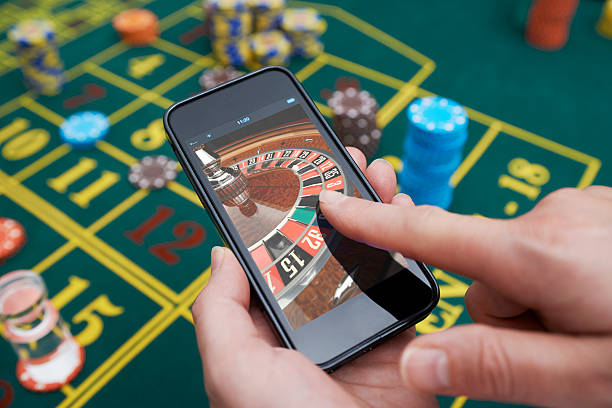
Discover the ultimate gambling experience
For those looking to explore the world of online gambling, it’s essential to engage with platforms that prioritize safety and enjoyment. Our website serves as a premier destination for finding the best real money casinos, providing comprehensive reviews and insights tailored to suit your gaming preferences. Whether you’re a seasoned player or new to the scene, our curated selection ensures you have access to trusted sites that offer a secure and entertaining experience.
We understand the importance of informed decisions in gambling. Our detailed guides cover everything from game mechanics to available bonuses and promotions, helping players navigate the vast landscape of online gaming. By arming yourself with knowledge, you can enhance your gaming experience and make more strategic choices, allowing you to enjoy the thrill without unnecessary risk.
