The cultural significance of gambling practices across the globe
The Historical Roots of Gambling
Gambling has a rich and varied history that reflects the cultural evolution of societies around the world. Evidence of gambling activities can be traced back thousands of years, with ancient Chinese artifacts revealing that people engaged in games of chance as early as 2300 BCE. Similarly, ancient Romans and Greeks utilized gambling as a form of entertainment during public festivities and gatherings, showcasing the deep-rooted connection between gambling and social interaction throughout history. Today, players seeking an exciting online experience can explore Le Bandit Slot, which offers thrilling gameplay inspired by historical themes.

The significance of gambling practices can also be observed in the context of religious and ritualistic activities in many cultures. For instance, various Indigenous tribes in North America incorporated games of chance into their ceremonies, believing that these activities connected them with the spiritual world. This intertwining of gambling with spirituality illustrates the multifaceted role it has played in human development.
Additionally, the evolution of gambling over the centuries has also led to the establishment of formal institutions. The rise of casinos and betting establishments in the 18th and 19th centuries marked a shift from informal gambling to a more organized and regulated practice, leading to the popularity of various games that continue to thrive today. Understanding these historical roots provides a comprehensive view of how gambling practices have shaped cultural identities globally.
The Social Dynamics of Gambling
Gambling is not merely a solitary pursuit; it serves as a powerful socializing force across different cultures. In many societies, gambling is often associated with communal activities, where friends and families gather to share experiences, bond over games, and celebrate wins. For example, in Italy, the game of poker is often played during family gatherings, showcasing its integral role in fostering relationships and social cohesion.
Furthermore, gambling often acts as a reflection of societal norms and values. In cultures where gambling is viewed as a vice, it can lead to stigmatization and even legal ramifications. Conversely, in places where gambling is celebrated, such as Las Vegas in the United States or Monte Carlo in Monaco, it fosters a sense of excitement and adventure, drawing tourists and locals alike. This dichotomy illustrates how social dynamics influence perceptions of gambling and shape individual experiences.
Moreover, the rise of online gambling has transformed social interactions around the activity. Virtual platforms have enabled players to connect globally, offering a shared space for gamblers to engage, compete, and communicate regardless of geographical boundaries. This evolution emphasizes the adaptability of gambling practices, demonstrating their ongoing relevance in an increasingly interconnected world.
Cultural Variations in Gambling Practices
The cultural significance of gambling practices is deeply influenced by local customs and traditions. In some cultures, gambling is integrated into festive celebrations and social gatherings. For instance, in Spain, the lottery known as El Gordo is a national event that brings communities together, reinforcing collective identity and shared anticipation. Similarly, in many Asian cultures, games like Mahjong are not just pastimes but vital components of social gatherings, symbolizing both luck and skill.
In contrast, certain cultures maintain a more ambivalent relationship with gambling. For instance, Islamic teachings prohibit gambling, viewing it as a harmful vice. This cultural stance shapes the societal landscape, leading to a lack of formal gambling establishments in many Muslim-majority countries. However, underground gambling and informal betting still persist, highlighting the complex interplay between cultural beliefs and human behavior.
As globalization continues to influence cultural practices, we see the blending of traditional and modern gambling activities. This fusion creates new cultural expressions, such as the emergence of esports betting, which appeals to younger generations while preserving the core elements of chance and competition. Understanding these cultural variations underscores the diverse ways gambling is perceived and practiced around the world.
The Psychological Appeal of Gambling
The psychological allure of gambling is a subject of extensive research, revealing underlying motivations that drive individuals to engage in this activity. One significant factor is the thrill associated with risk-taking. For many, the excitement of placing a bet or spinning a slot machine triggers a release of dopamine, reinforcing the behavior and creating a cycle of anticipation and reward. This psychological component is universal, affecting individuals regardless of their cultural background.
Moreover, gambling can serve as an escape from reality. Many individuals turn to gambling as a means of coping with stress, financial issues, or personal challenges. This tendency is observed across various cultures, where the act of gambling allows individuals to momentarily forget their problems and immerse themselves in the potential for winning. However, this coping mechanism can lead to problematic gambling behaviors, necessitating a deeper understanding of the psychological implications.
Additionally, the concept of ‘luck’ plays a vital role in the perception of gambling across cultures. Beliefs surrounding luck and fortune vary significantly, with some cultures attributing wins to supernatural influences while others emphasize skill and strategy. This divergence in beliefs shapes how individuals approach gambling, influencing their expectations and experiences. Understanding these psychological aspects is essential for comprehending the broader cultural significance of gambling practices worldwide.
Modern Trends and the Future of Gambling
The gambling landscape is rapidly evolving, influenced by technological advancements and changing societal attitudes. The rise of online casinos and mobile gambling platforms has democratized access to gambling, allowing individuals to participate from the comfort of their homes. This shift has also led to increased regulation and discussions around responsible gambling practices, aiming to balance entertainment with the potential for harm.
In addition, the integration of virtual reality and augmented reality into gambling experiences is reshaping how people interact with games. These technologies create immersive environments that mimic the thrill of physical casinos while providing innovative gameplay options. As these trends continue to develop, the cultural significance of gambling will adapt, reflecting the preferences and values of newer generations.
Furthermore, there is an ongoing dialogue regarding the impact of gambling on mental health and community well-being. As more people engage in gambling activities, it becomes essential for societies to foster awareness and support systems that address potential gambling-related issues. This proactive approach will shape the future of gambling, emphasizing not only entertainment but also the importance of responsible engagement.
Exploring the Gaming Experience
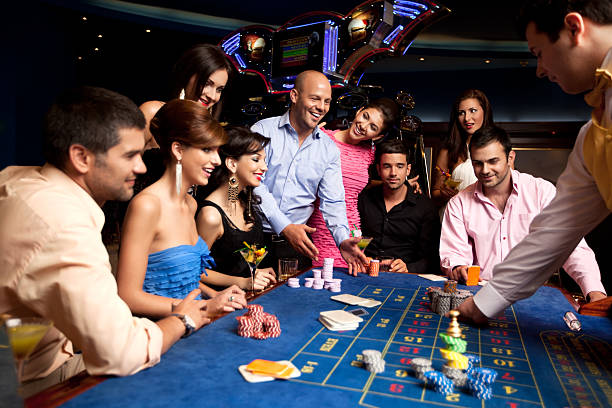
As online gambling platforms continue to gain popularity, they offer a dynamic and engaging gaming experience that caters to a wide range of players. Websites like Le Bandit Slot exemplify the modern evolution of gambling, blending captivating storylines with advanced gameplay mechanics. The immersive nature of these platforms enhances the entertainment value, allowing players to enjoy an exciting environment reminiscent of traditional casinos.
Moreover, the accessibility of online gambling plays a crucial role in its growing significance. Players can easily engage in gaming experiences from various devices, facilitating participation regardless of time and location. This convenience encourages a broader audience to explore gaming options and discover the rich cultural narratives that accompany different games.
Ultimately, the convergence of traditional and modern gambling practices highlights the ongoing significance of this form of entertainment. As cultural values and technological advancements continue to intersect, the future of gambling remains vibrant and diverse, ensuring that its cultural relevance endures across generations.
